

Pregnancy, Birth & Postpartum Support
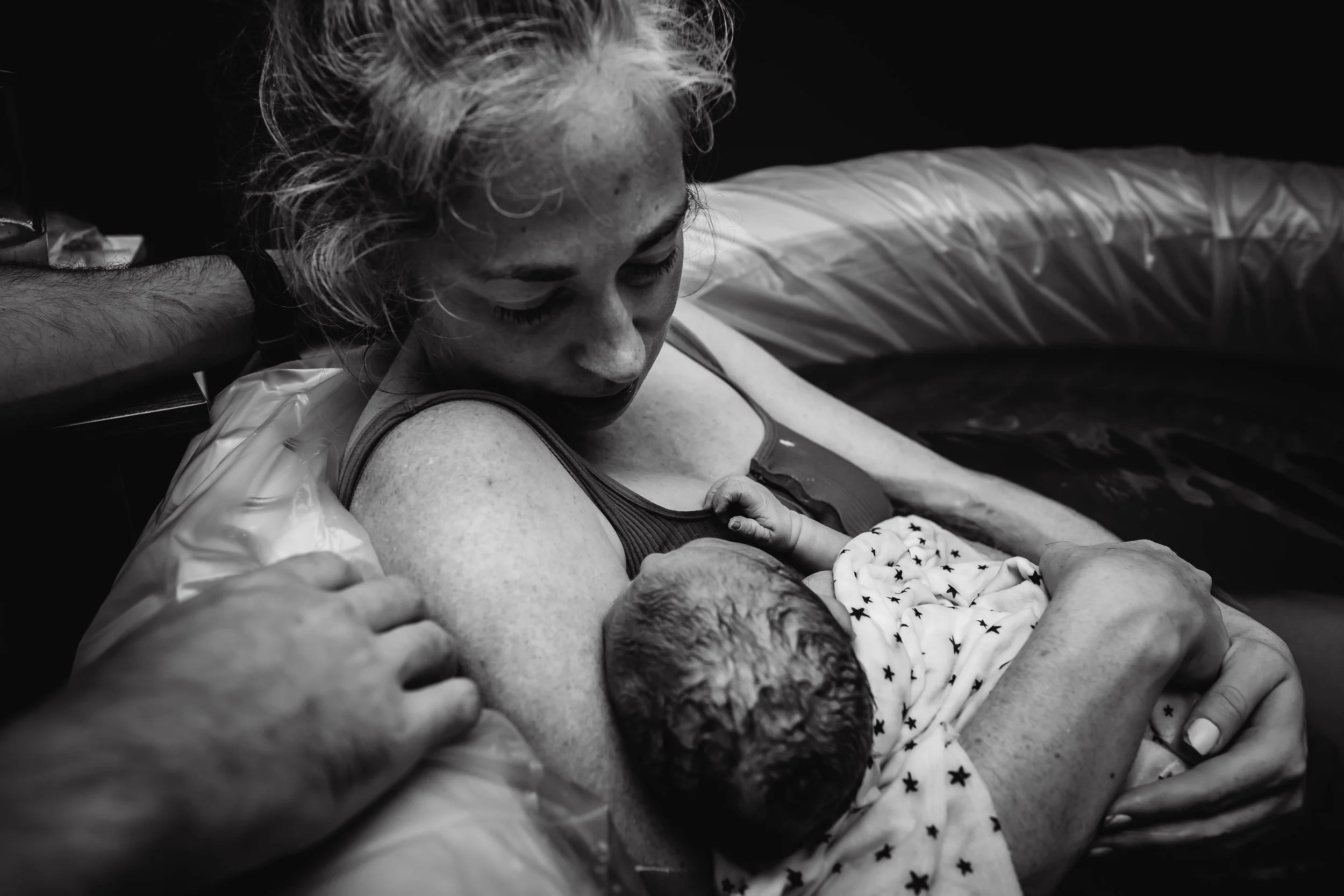
Photography by Birth Body PhotographyMy Approach
During my years on a hospital maternity unit, I witnessed how profoundly birth and motherhood shape a woman’s nervous system, often in ways no one prepares her for. I stood beside families through loss, complications, and the quiet aftermath of births that didn't feel empowering, seeing firsthand how often women leave these experiences feeling unheard or shaken. My own birth experiences outside the hospital system were shaped by what I saw professionally, deepening my respect for how personal and layered these decisions are, and how each person finds the path that feels right for them.
I work with individuals and families across identities, and am committed to providing LGBTQ+ affirming, inclusive care in the perinatal space—recognizing that these experiences are not limited to one type of body, identity, or family structure.
Whether you are navigating the isolation of infertility, the vulnerability of pregnancy, or the intensity of the postpartum period, your experience is deeply embodied and deserves specialized care. Trauma is not determined by the medical outcome, but by how your brain and body experienced the event. Wherever you fall on this spectrum, I provide a safe space to process, regulate, and heal. Here are some areas of specialty.
Infertility & Reproductive Trauma
Infertility can be one of the most painful and isolating experiences a person can go through.
Research and clinical experience consistently show that infertility and reproductive loss can place the nervous system in a prolonged state of stress and threat—especially when cycles of hope and disappointment repeat over time.
With the added impact of social media, many people are exposed to frequent pregnancy announcements, which can become powerful emotional triggers. These moments may lead to anxiety, irritability, grief, lethargy, or a growing sense of hopelessness about the future. Each new period or unsuccessful IVF cycle can re-activate the emotional pain of prior losses, creating a cycle of re-traumatization.
EMDR & Brainspotting therapy can help—not by guaranteeing pregnancy, but by supporting emotional and nervous system healing. Through EMDR, individuals can work toward:
Processing the trauma associated with infertility and reproductive loss
Reducing the intensity of present-day triggers
Supporting emotional steadiness, self-compassion, and acceptance regardless of outcome
Infertility is not “just stress.” It is a deeply embodied experience, and it deserves care that works with the brain and nervous system..

Pregnancy, Anxiety & Emotional Preparation for Birth
Pregnancy often brings a mix of excitement, uncertainty, and vulnerability.
Anxiety during pregnancy is common and can be influenced by many factors, including infertility or loss, prior trauma, family dynamics, medical experiences, identity and relationship stressors, and fear related to labor and birth.
For some individuals, distress is rooted in recent experiences; for others, pregnancy activates much older patterns held in the nervous system. EMDR & Brainspotting are particularly helpful because it allows us to address both.
EMDR and Brainspotting support work across past, present, and future, helping to:
Reduce pregnancy-related anxiety and emotional overwhelm
Process earlier experiences that are shaping current fear
Build a greater sense of confidence, regulation, and agency
Improving emotional regulation during pregnancy may also support clearer decision-making, self-advocacy, and coping—factors that can reduce vulnerability to birth trauma.
Pregnancy care includes emotional preparation, not just physical monitoring. I provide inclusive, affirming support for people across identities, bodies, and family structures as they move through this experience.

Birth Trauma (Recent or Years Later)
Birth trauma exists on a wide spectrum and is more common than many people realize.
Trauma can result from unexpected medical interventions, untreated pain, feeling dismissed or disrespected, emergency situations, C-sections, hemorrhage or complications, NICU stays, or having a critically ill newborn. Sometimes, even a single moment of fear or loss of control can become deeply encoded in the nervous system.
It’s also common for individuals to feel confused or ashamed of their reactions—especially when they’re told, “But you and the baby are healthy.” These messages, though often well-intentioned, can prevent people from seeking support.
Trauma is not determined by outcome. It is determined by how the brain and body experienced the event.
EMDR is an evidence-based treatment for trauma that can help individuals:
Process and integrate the birth experience
Reduce intrusive memories, panic, or emotional flooding
Feel more grounded, present, and emotionally safe
Birth trauma can impact people across identities, bodies, and family structures—and often does not resolve on its own. With the right support, it is highly treatable.

Postpartum & Early Parenthood
Postpartum & Early Parenthood
Postpartum mental health concerns are common and frequently under-recognized.
Many individuals assume postpartum support is only needed for severe depression, yet postpartum anxiety and trauma responses are extremely prevalent. The first two years of early parenthood involve profound neurological, hormonal, and identity changes, which can intensify emotional vulnerability.
During this period, people may experience:
Intense or unexpected emotional reactions
Difficulty bonding or feeling connected
Guilt or shame around self-care
Persistent worry, fear, or hypervigilance
Thoughts such as “Why does this feel so hard?” or “Am I the only one struggling?”
These experiences are more common than people realize—and they are treatable.
EMDR can be an effective approach for postpartum anxiety, mood symptoms, and trauma-related responses by helping the brain process experiences that feel overwhelming or stuck. Treatment is always individualized, with care tailored to each person’s history, current stressors, and goals.
Postpartum experiences can impact people across identities, bodies, and family structures. Care is most effective when it addresses both present-day symptoms and their underlying roots, supporting healing in a way that respects the complexity of this season of life.